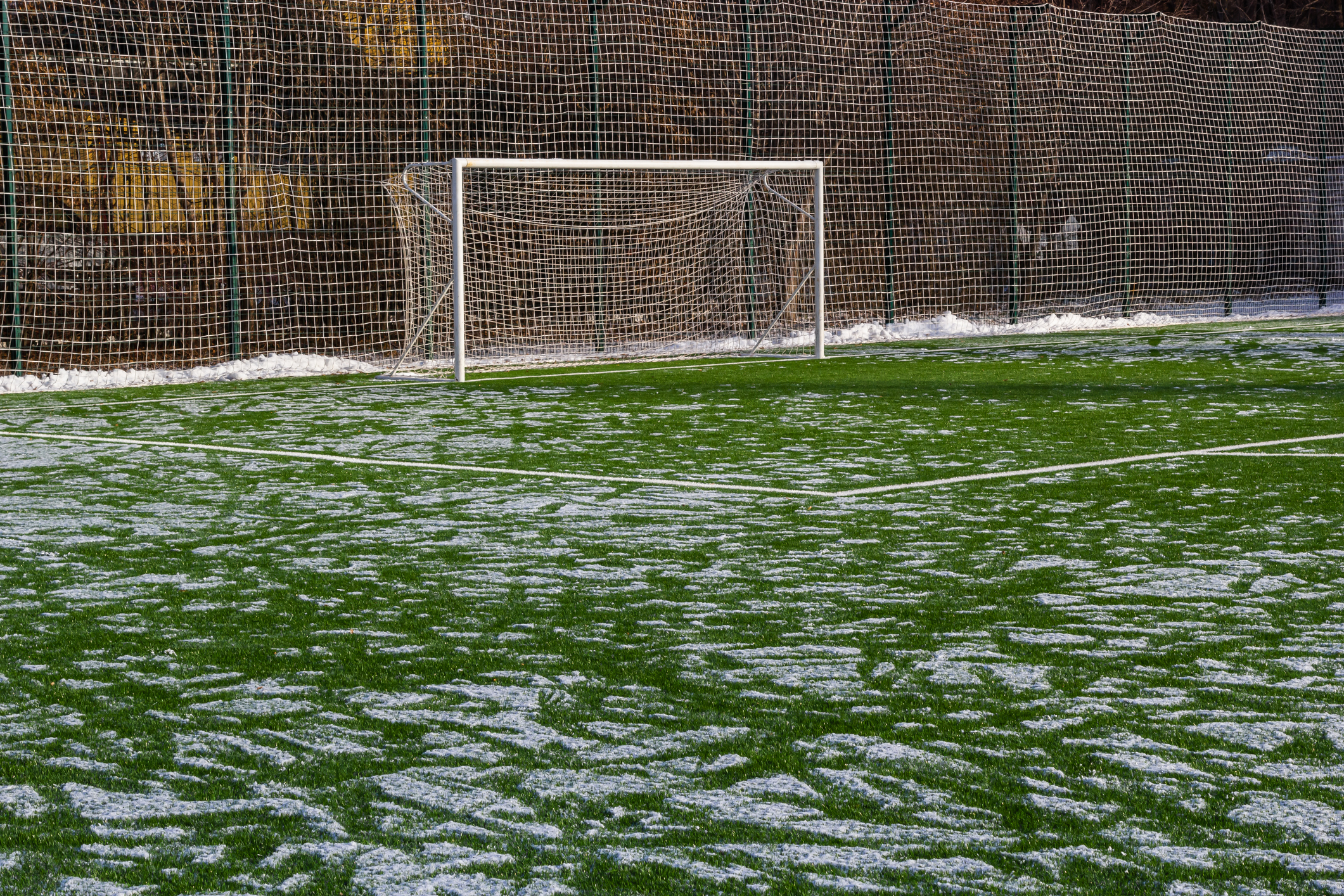

Common Artificial Turf Problems Found After Winter (And How to Fix Them)
Winter can be tough on artificial turf fields across Ontario. Snow, ice, freeze-thaw cycles, and months of reduced maintenance can leave surfaces compacted, uneven, and potentially unsafe for athletes. That’s why a spring artificial turf inspection is one of the most important steps facility managers and superintendents can take before peak season begins.
Identifying issues early helps protect player safety, extend the life of the surface, and prevent small maintenance problems from turning into expensive repairs. According to the Synthetic Turf Council, properly maintained artificial turf systems can last significantly longer and maintain better playability throughout their lifecycle.
Below are some of the most common artificial turf problems found after winter, and how professional maintenance can resolve them.
1. Compaction and Hard Playing Surfaces
One of the most common issues after winter is infill compaction. Snow load, ice buildup, and repeated freeze-thaw cycles compress the infill layer beneath the turf fibres.
When infill becomes compacted, the surface becomes harder and less forgiving. This reduces shock absorption and can increase injury risk for athletes.
Signs of compaction include:
- Hard or fast playing surfaces
- Reduced fibre movement
- Areas that feel “packed down” or flat
The solution is professional turf decompaction and grooming. Specialized equipment loosens the infill layer at controlled depths, restoring proper cushioning and improving overall field performance. Grooming also lifts turf fibres and redistributes infill evenly across the field.
Routine decompaction is a key part of long-term artificial turf maintenance programs, helping fields maintain safe playing conditions throughout the season.
2. Infill Loss and Uneven Distribution
Over time, and especially during winter, infill can migrate or become displaced due to weather, snow removal, or heavy traffic areas.
Low infill levels expose turf fibres to excess wear and can significantly reduce field performance.
Common signs of infill loss include:
- Visible backing between fibres
- Uneven playing surfaces
- Increased fibre wear
- Faster ball roll on sports fields
The fix is infill top-ups and redistribution. Adding the proper amount of infill restores surface stability, protects turf fibres, and helps maintain consistent playability.
Infill also continues to be supported by research regarding its safety. A 2026 study by the California Office of Environmental Health Hazard Assessment (OEHHA) concluded that crumb rubber infill used in synthetic turf is not likely to cause harm to players or spectators, reinforcing findings from previous research and public health agencies. The multi-year study analyzed more than 100 chemicals across dozens of turf fields and concluded that exposure levels from synthetic turf were negligible. Similar findings have been supported by research from the U.S. Environmental Protection Agency (EPA), CDC, and Consumer Product Safety Commission, reinforcing that properly maintained synthetic turf systems are safe for athletes and communities.
3. Seam Separation
Artificial turf fields are built using multiple sections of turf joined together with seams. Over time, temperature fluctuations and ground movement can cause these seams to weaken or separate.
Winter conditions often accelerate this issue.
Signs of seam damage include:
- Visible gaps between turf panels
- Raised edges or lifting turf
- Areas where the surface feels uneven
Seam separation should always be addressed quickly. Left untreated, it can become a serious safety hazard and may lead to larger sections of turf failing.
Professional turf seam repair services reinforce and restore the bond between sections, preventing further damage and maintaining a smooth playing surface.
4. Drainage Issues and Standing Water
Proper drainage is essential for artificial turf systems. When drainage becomes compromised, fields may develop standing water, slow drying times, or saturated infill.
This problem often appears in spring when snow melts and heavy rain returns.
Causes of drainage issues include:
- Compacted infill layers
- Blocked drainage systems
- Uneven infill distribution
Standing water can lead to surface damage, algae growth, and reduced field usability.
Professional grooming, decompaction, and levelling help restore permeability so water can move properly through the turf system.
Regular maintenance also helps protect the investment facility owners make in their artificial turf systems.
Why Spring Artificial Turf Maintenance Matters
Artificial turf is often marketed as “low maintenance,” but it is not maintenance-free. Seasonal inspections and preventative maintenance are essential for keeping fields safe, playable, and long-lasting.
In fact, industry research has repeatedly shown that routine grooming, infill management, and repairs significantly extend turf lifespan while improving player safety and performance.
Spring is the ideal time to address issues caused by winter before fields experience their heaviest usage during summer and fall.
For municipalities, schools, sports complexes, and golf facilities, early maintenance can prevent costly repairs later in the season.
Explore available service options here.
Get Your Fields Ready for the Season
Winter may leave its mark on artificial turf fields, but with the right maintenance approach, surfaces can quickly be restored to optimal playing conditions.
From decompaction and infill top-ups to seam repairs and drainage restoration, professional turf care ensures your facility is ready for athletes and heavy seasonal use.
If you’re preparing your fields for the upcoming season, a post-winter inspection and maintenance visit is the best place to start.