


InfillTop-Ups
Restore Safety, Bounce & Longevity with Professional Infill Replenishment
Prevent Injuries.
Extend Field Life.
Feel the Difference.
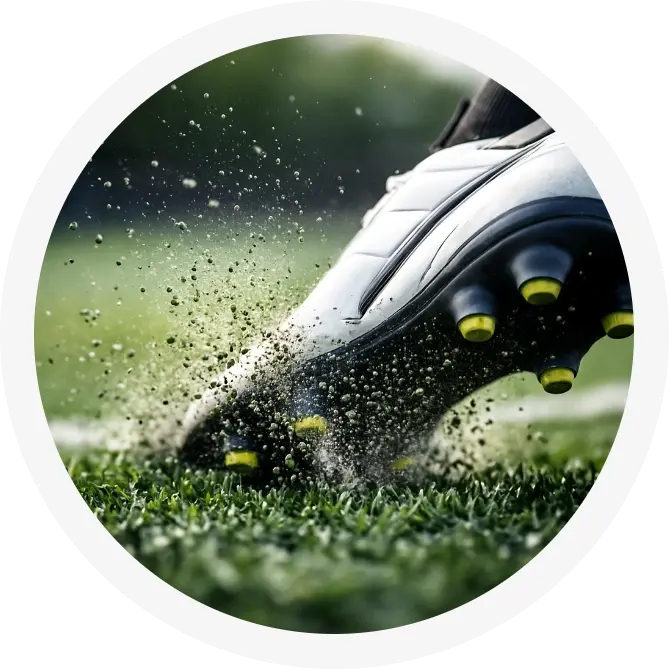
Even the best turf systems degrade without regular infill maintenance. Over time, foot traffic, weather, and play cause infill levels to compact, migrate, or wash away—reducing cushion, increasing impact risk, and making your turf harder to clean and maintain.
Clean Turf Canada’s infill top-up service keeps your synthetic fields performing like new—ensuring they stay safe, soft, and playable year-round.
How to know when you need more infill.
When to Book an Infill Top-Up
- Every 1–2 years for high-traffic sports fields
- After a resurfacing, grooming, or cleaning
- Before major league seasons or tournaments
- When impact performance begins to feel “hard” or “flat”
GOT
QUESTIONS?
We’ve put together quick answers to the infill questions clients ask us most often.
If you still have questions, we’re here to help.
What is infill, and why is it important in artificial turf?
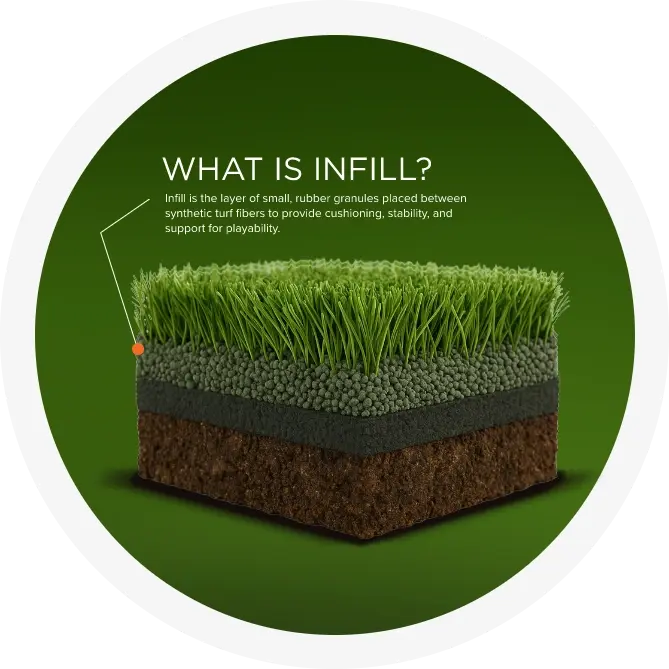
Infill refers to the small particles—typically made of sand, rubber, or organic material—installed between the blades of artificial grass. It serves multiple purposes:
Keeps blades upright for a natural look
Provides cushioning to reduce impact and enhance safety
Adds weight to prevent turf shifting
Helps with drainage and cooling
Does infill make the field hot?
Some infills—especially black crumb rubber—can retain heat and make turf hotter. To reduce heat:
Use light-colored or cooling infill (like Envirofill or ZeoFill). Choose organic infill like cork, which retains less heat. Install shade or misting systems for added comfort.
Does infill need to be replaced or replenished over time?
Yes—infill gradually compacts, migrates, or gets displaced due to heavy use, weather, and time. To maintain safety and performance, replenishment is essential, and Clean Turf Canada handles this using specialized GKB machines built for artificial sports fields.
Regular Replenishment
We use the GKB Infill Refiller to precisely add infill where it’s worn thin—such as in goalmouths, midfield zones, and along player pathways. This ensures consistent GMAX ratings, shock absorption, and traction across the entire field.
Redistribution Before Replacement
Often, infill doesn’t need full replacement—it just needs to be redistributed. We deploy the GKB Brush or Quick-Brush to sweep and even out infill before assessing areas that may require top-up.
Full Replacement (When Needed)
In older or poorly maintained fields, we may recommend a partial or full infill replacement. Using the GKB Combinator, we can remove contaminated or compacted infill and prepare the surface for fresh material.
Does infill affect drainage?
Yes, infill aids drainage by:
Keeping fibers upright for better water flow
Preventing matting that traps moisture
Proper installation with a permeable base ensures excellent drainage performance.
Can I install turf without infill?
No — not for sports applications.
Infill is essential for sports fields to provide proper shock absorption, player safety, surface stability, and ball performance. Skipping infill leads to increased injury risk, turf wear, and an unnatural playing surface. For any high-performance or regulated sports use, infill is non-negotiable.
How much infill is needed for sports fields?
For sports fields, infill requirements are higher than for residential or light commercial uses due to the intense wear and performance demands. Typically, 3 to 4+ pounds per square foot of infill is used, depending on factors like:
Turf pile height (longer blades require more infill for stability)
Sport type (e.g., soccer, football, rugby each have different shock absorption needs)
Player safety standards (ensuring appropriate GMAX ratings for impact attenuation)
Weather and drainage expectations (more infill can assist in stability and performance during heavy use or rain)
This heavier infill profile enhances shock absorption, cleat traction, and surface consistency across the field. Lower amounts may result in excessive turf wear, reduced performance, or higher risk of injury.
How do you maintain turf with infill?
At Clean Turf Canada, we handle the full maintenance process using specialized GKB equipment—ensuring your artificial sports turf stays safe, level, and game-ready.
Regular Brushing & Redistribution
We use the GKB Quick-Brush or GKB Brush to regularly decompact and evenly redistribute infill throughout the field. This maintains consistent ball bounce, prevents fiber matting, and ensures player safety.
Loosening Compacted Areas
High-traffic zones (goal mouths, midfields, etc.) often suffer from compacted infill. We run the GKB Aerator to mechanically loosen these areas, improving both shock absorption and drainage.
Infill Top-Off & Finishing
After cleaning or resurfacing, we use the GKB Topfinish to level the surface and blend fresh infill seamlessly into the existing turf system. This restores the original feel and performance of the field.
Odor & Hygiene Control (for pet or multi-use fields)
If your turf requires sanitation—like pet-use zones—we offer enzyme-based treatments combined with brushing cycles to neutralize odors without displacing infill.